Shaping a Future-Ready School Ecosystem

Teachers-led change across states
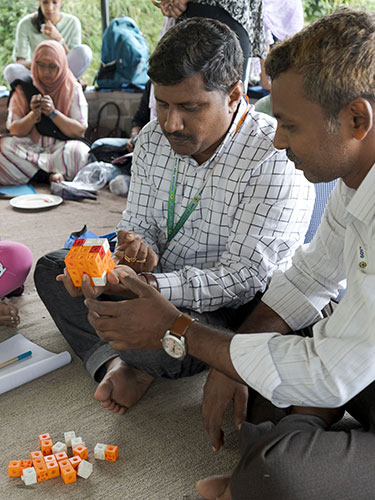
Last year, our teacher-led approach demonstrated strong impact across five states, with MasterCoach building the capacity of over 9,000 educators to integrate future-ready skills into everyday classroom practice
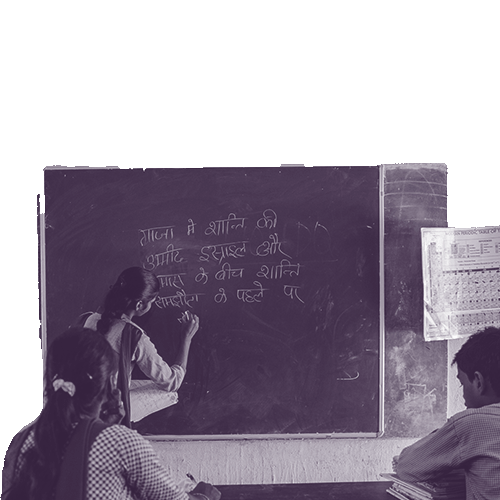
Classrooms began shifting toward futures
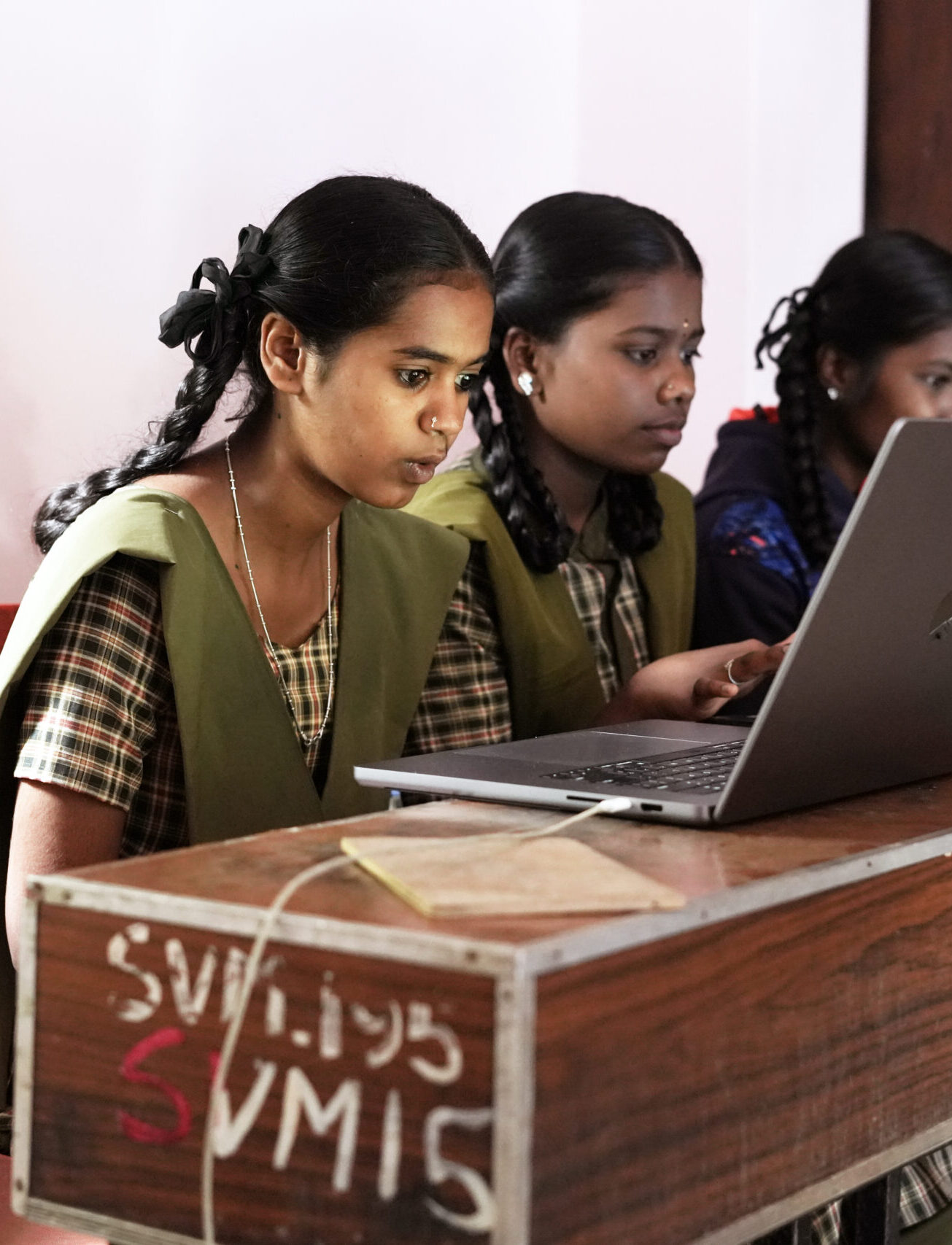
Among 2,500 secondary learners in Narmada, Tumkur, and Mysore, 21st-century skills improved significantly, with a 16.5 percent increase in Gujarat and 9.2 percent growth across Karnataka districts
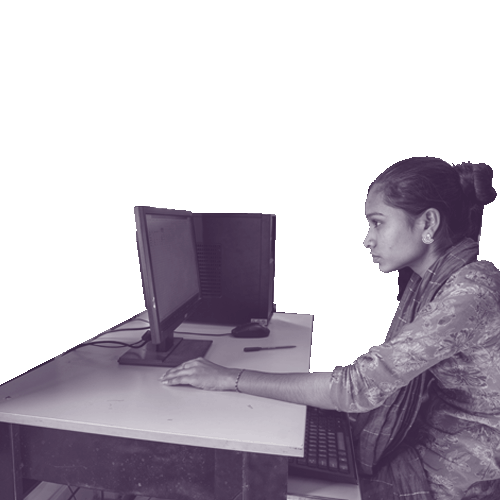
Technology became meaningfully integrated
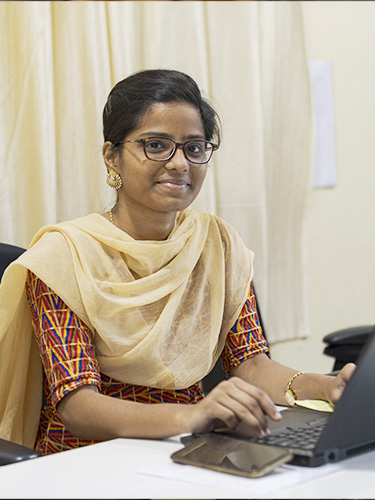
Technology usage rose sharply, with Andhra Pradesh and Jharkhand recording 103 percent and 331 percent increases, while student creativity, innovation, and critical thinking improved alongside stronger perceptions of engaging pedagogy
Mainstreaming Future Skills- AI, Computational Thinking, and Career Mindset
A major milestone this year was mainstreaming future skills within government systems across Andhra Pradesh, Gujarat, Jharkhand, Karnataka, and Odisha. As AI reshapes learning and work, Quest Alliance partnered with the Government of Andhra Pradesh to develop a Grades 7 to 9 curriculum aligned with UNESCO’s AI competency framework. During a seven-month pilot, learners engaged with emerging technologies and showed measurable progress: AI skills improved by 6.1%, understanding of AI ethics rose by 4.9%, career interest increased by 3.5%, and self-directed learning grew by 4.7%.
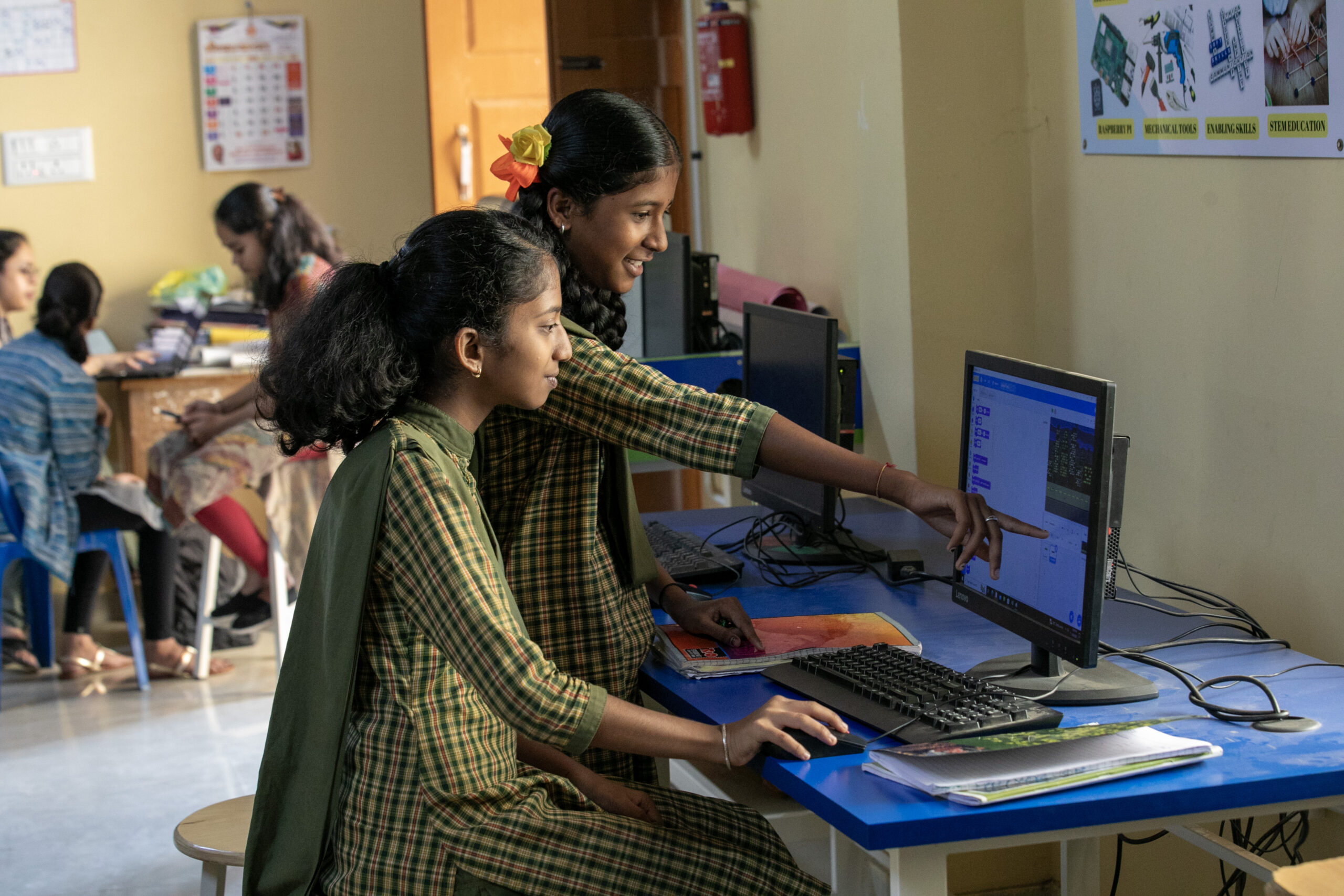
These gains reflect stronger readiness for the future of work, including the ability to apply technology meaningfully, make responsible and ethical decisions, and take greater ownership of lifelong learning. The results affirm the program’s impact in nurturing informed, confident, and future-ready mindsets among young learners.
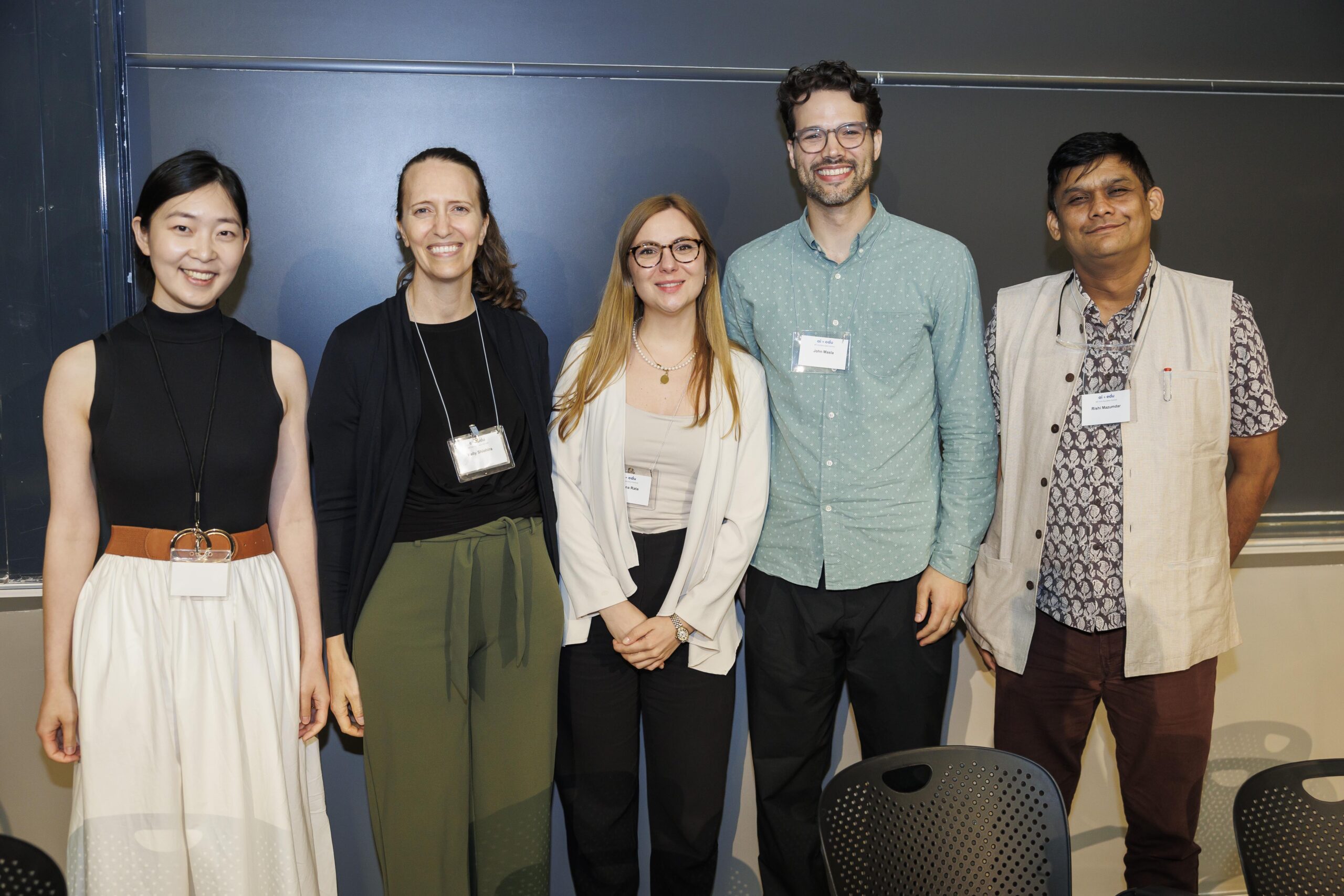
Our experience in localizing the UNESCO AI Competencies frameworks was shared at the MIT AI & Education Summit 2025. In Odisha, we partnered with the School and Mass Education Department, Raspberry Pi Foundation, and Learning Link Foundation to design a Computational Thinking curriculum for classes 6th – 10th.
Enabling Collaborations
Partnerships played a key role in expanding the reach and impact of our work enabling system wide change across geographies. In Jharkhand, the Sampoorna Consortium, which focuses on social-emotional learning, grew from 4 partners to 16 organizations, embedding SEL (Social and Emotional Learning) approaches in classrooms across all districts of the state.
This year also marked the culmination of the Indian Equitable Learning Ecosystem (IELE), a collaboration of eight like-minded CSOs across seven states, supported by key funders. The initiative enabled 16 Fellows to deepen their expertise in computational and design thinking, while Quest Alliance served as a knowledge partner, sharing tools and insights to support learning in underserved communities.
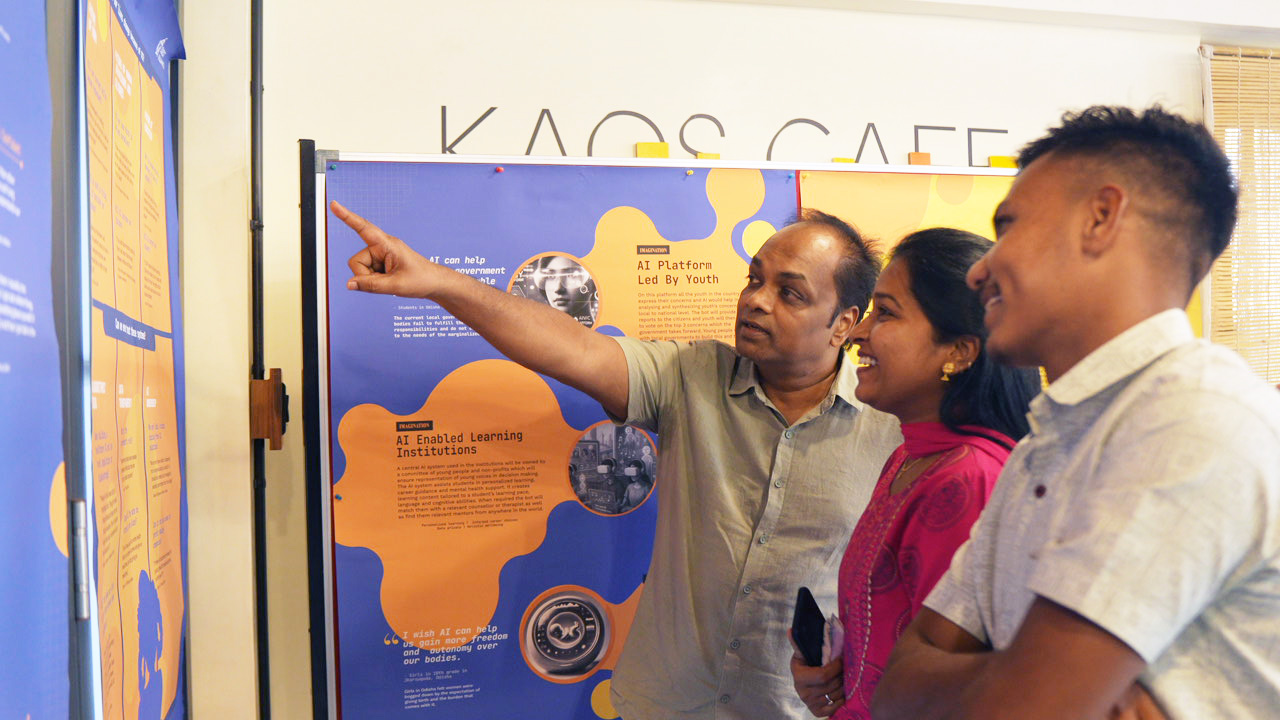
These organizations work with school dropouts, learners from nomadic tribes, urban slums, and some of the most hard-to-reach regions of the country. By adapting learning tools for low-resource environments, they demonstrated that transformation is possible wherever there is commitment, creativity, and a shared sense of purpose.
Young People Designing Solutions for Their Communities
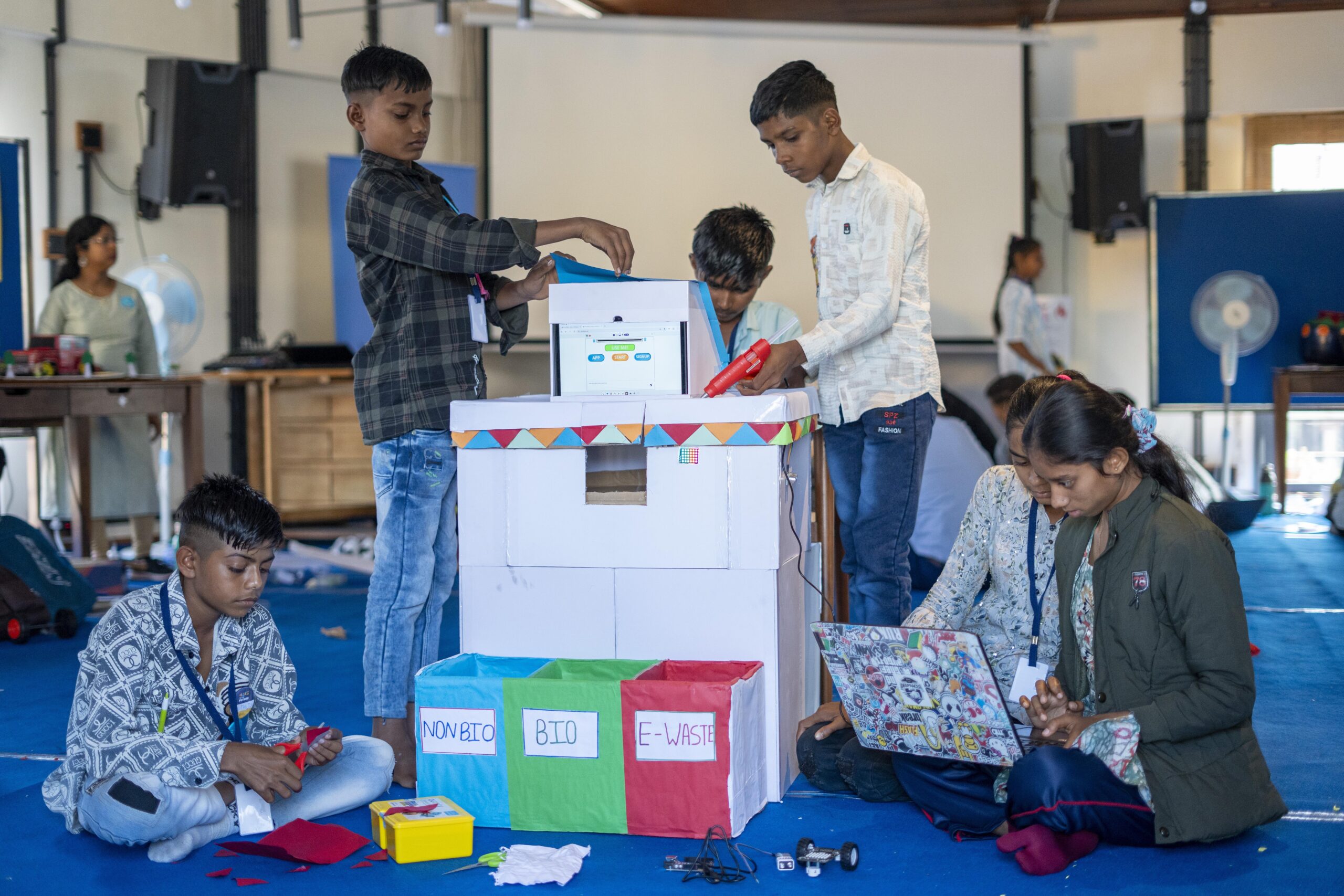
Quest Alliance hosted ‘Hack to the Future: Innovating for Participatory Futures,’ the second national edition of the event, which saw participation from 50 students across Andhra Pradesh, Gujarat, Jharkhand, Karnataka, and Odisha.
Students explored advanced technologies including machine learning, building local language models, and using the Internet of Things (IoT) to design solutions for their communities. Their innovations ranged from an anti-sleep detection system to identify drowsy drivers, to an IoT-enabled automated rainwater harvesting system. They also developed an early-warning health monitoring system for cattle and a non-harmful, image-processing-based monkey detection and repelling system. By tackling real local challenges, these students emerged as true changemakers.