Transforming the TVET Ecosystem
ITI learners graduated successfully
At Quest Alliance, career transitions mean equipping young people with confidence, skills, and support systems to navigate their futures, whether through technical training in ITIs or short-term vocational pathways in VTIs
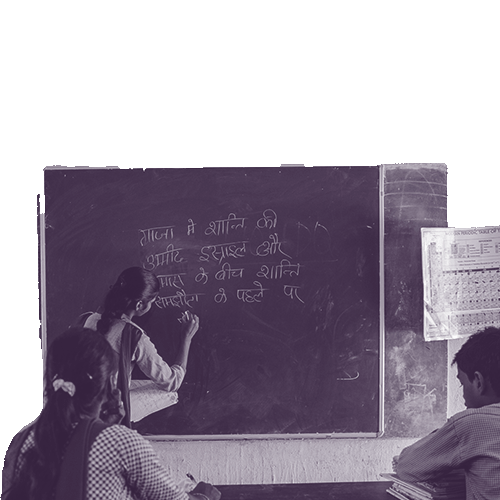
achieved meaningful transitions
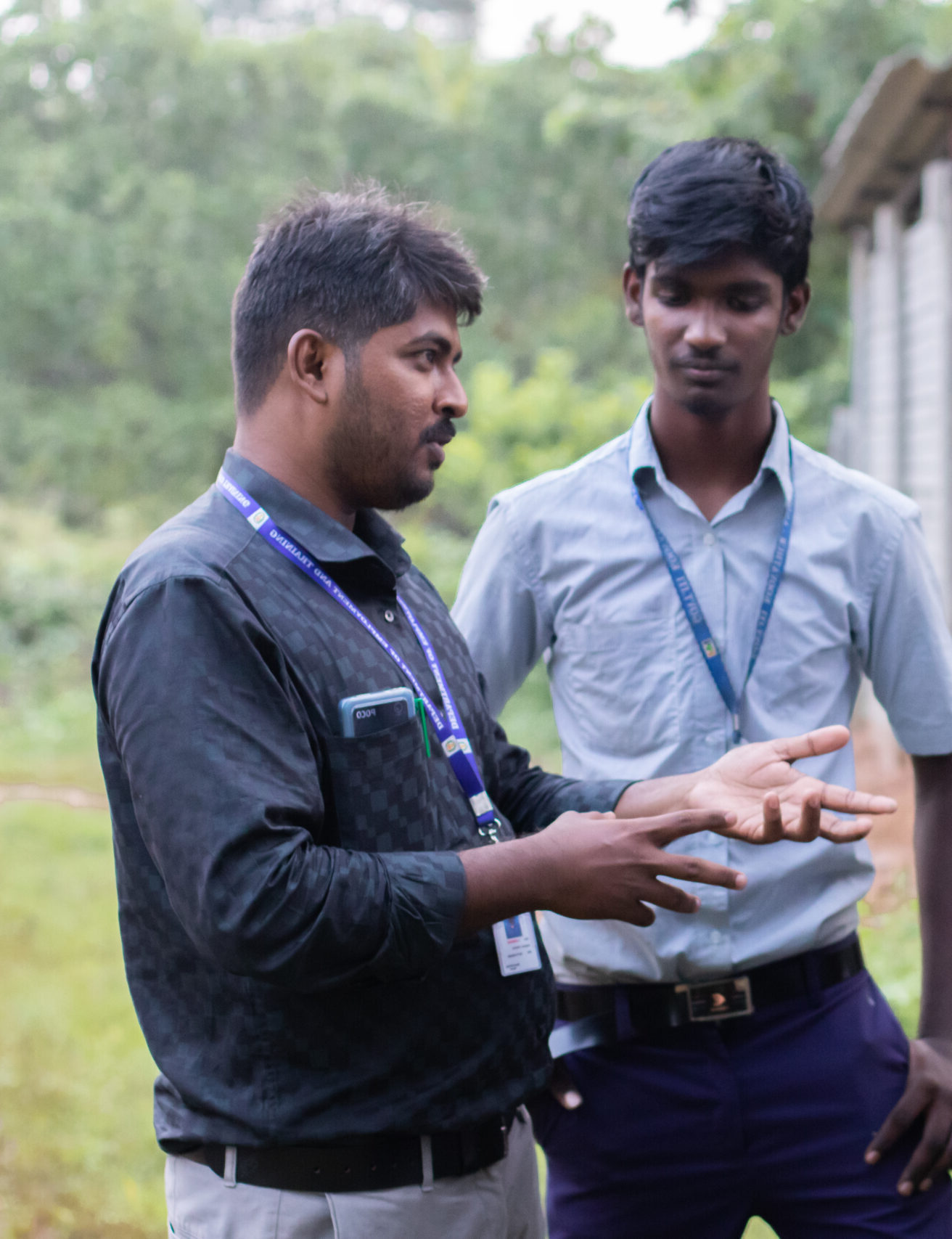
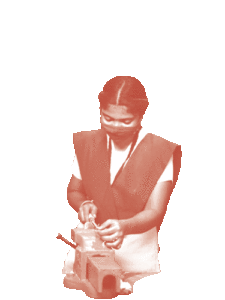
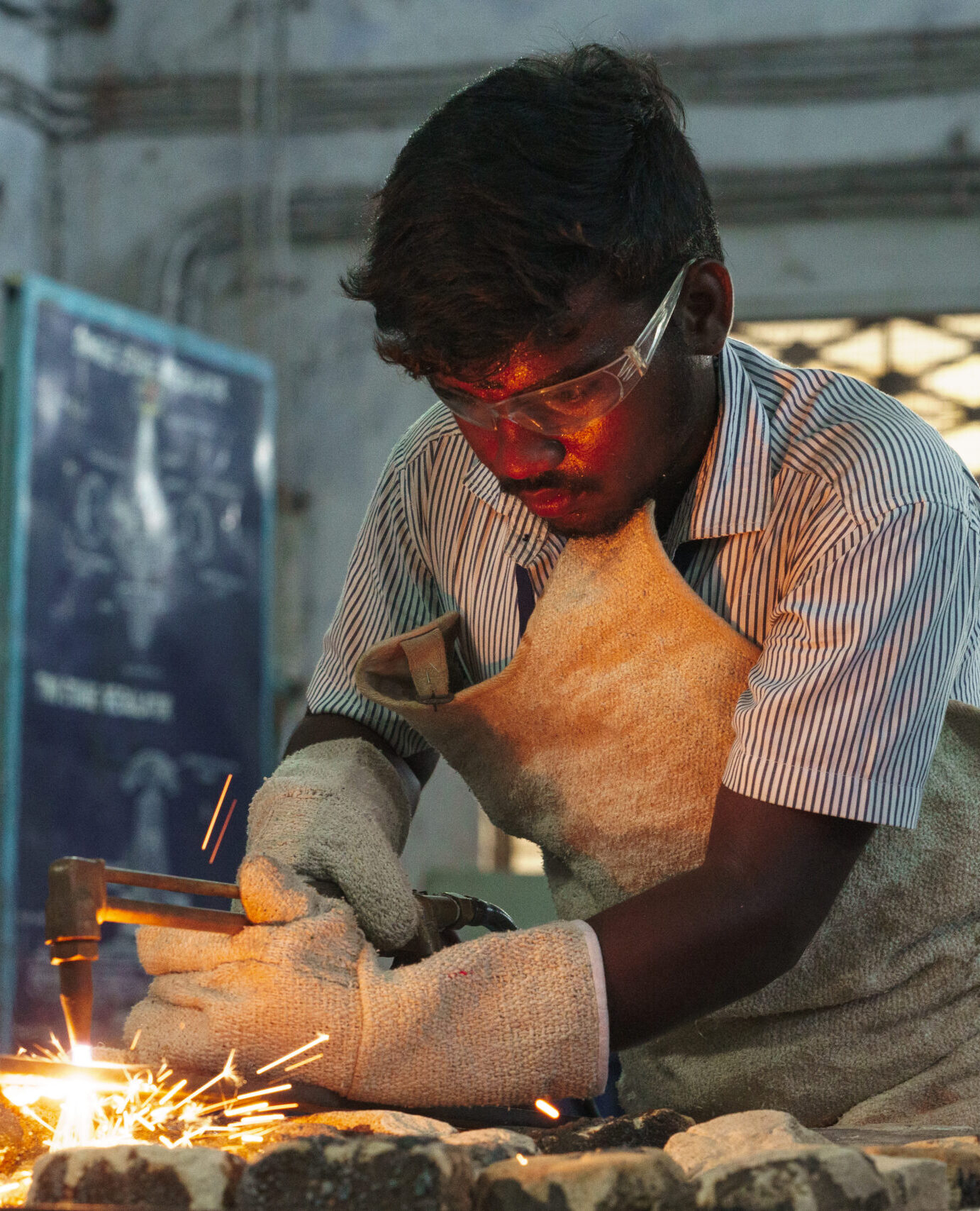
Across government ITIs, learners moved into jobs or further education through structured career guidance, industry exposure, and placement support designed to bridge the gap between training and real employment opportunities

placement drives across 11 states
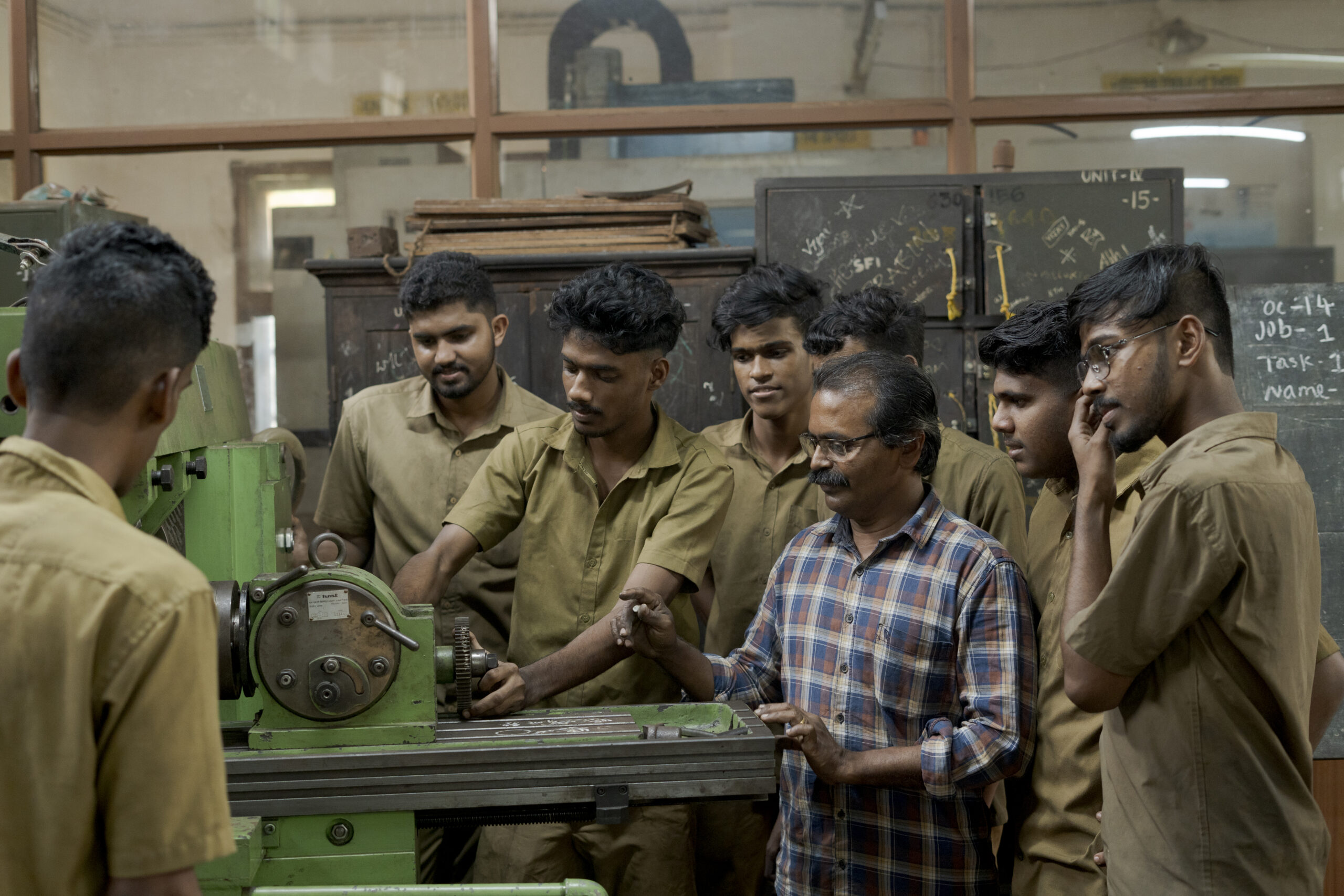
These large-scale placement efforts connected students directly with employers, strengthening industry linkages and ensuring training translated into tangible opportunities in manufacturing and other high-demand sectors
VTI graduates, 72 percent women
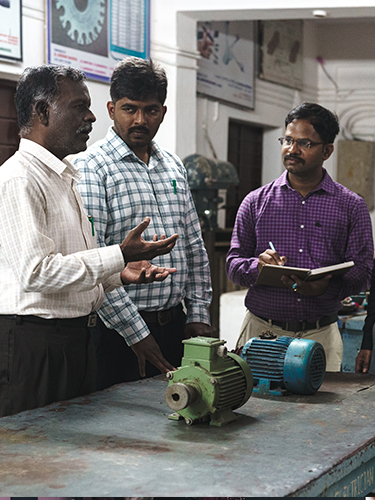
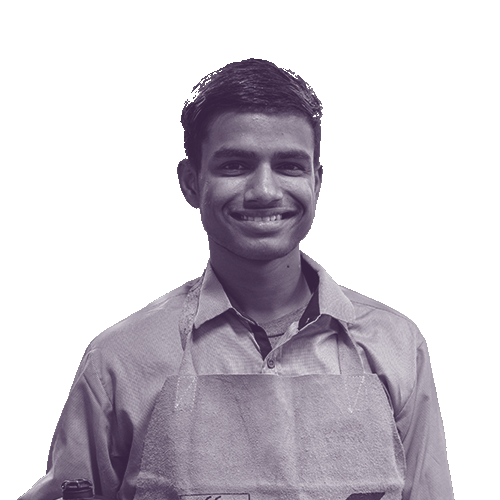
In VTIs, most graduates transitioned successfully into service sector roles, reflecting focused short-term skilling, employer partnerships, and career preparation that aligned training with evolving labor market demands
percent women advanced careers
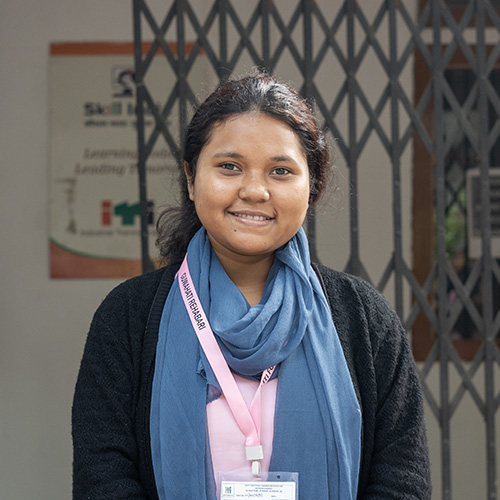
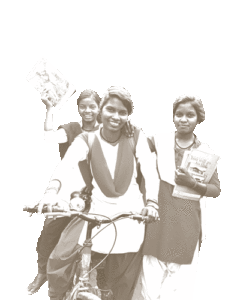
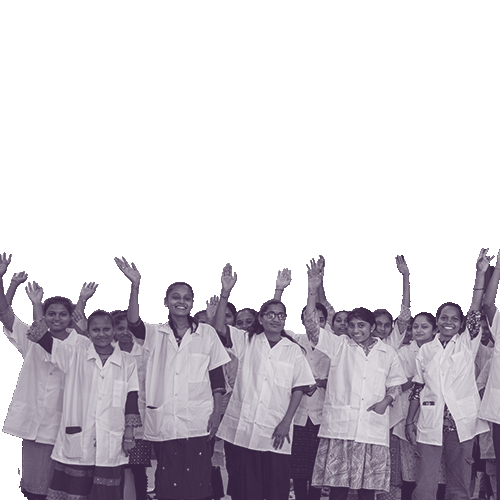
Through Women ITIs, industry partnerships, Leading Ladies mentorship, and peer-led Career Clubs, young women built confidence, networks, and leadership skills, while system-led taskforces made institutes more gender-responsive and inclusive
Transforming the TVET Ecosystem
At Quest Alliance, enabling career transitions means empowering young people to navigate their futures with confidence. We work with Government Industrial Training Institutes (ITIs), which prepare learners for roles in manufacturing sectors, and with private Vocational Training Institutes (VTIs) that run short-term skilling programs for service sector careers. Drawing on over a decade of experience with VTIs, we refined our approach into a comprehensive strategy designed to support more informed career decisions and stronger workplace readiness. As a result, 65% of 128,046 ITI graduates transitioned into jobs or further education, supported by 107 placement drives across 11 states. In VTIs, 72% of 5,077 graduates transitioned successfully, nearly 57% of them women.
Our work with Women ITIs ensures learners build the skills, networks, and confidence needed for informed career pathways. We strengthen industry partnerships, positioning employers as collaborators in shaping career journeys. Through initiatives like Leading Ladies, learners connected with role models and experts, while Career Clubs created peer-led spaces for exploration and leadership. Efforts led by the Women and Work Taskforce have also made ITIs more gender-responsive and inclusive. Across ITIs and VTIs, our approach combines scale with depth, supporting young people in building pathways toward the careers they aspire to.
Personalised Ed-Tech that puts learners in charge
With MyQuest, our flagship personalized learning platform, we have shifted from catalogue-based to experience-driven learning, enabling learners to explore career paths aligned with their interests and goals. Piloted in 2024 with 30,000 users, the platform saw a significant rise in access and engagement. In the 2025 academic year, MyQuest has been rolled out across partner ITIs and VTIs. The platform continues to evolve, with the next milestone being GenAI-powered learning that connects skill-building directly to user abilities, aspirations, and preferences—bringing us closer to hyper-localization and true personalization.
Today, 30,000 MyQuest users access over 300 bite-sized lessons and 1,100 job cards across 160+ trades in five languages. Government partnerships with SIDH (Skill India Digital Hub) and KSDC (Karnataka Skill Development Corporation) have embedded this learner-centric approach into national platforms, expanding both reach and access.
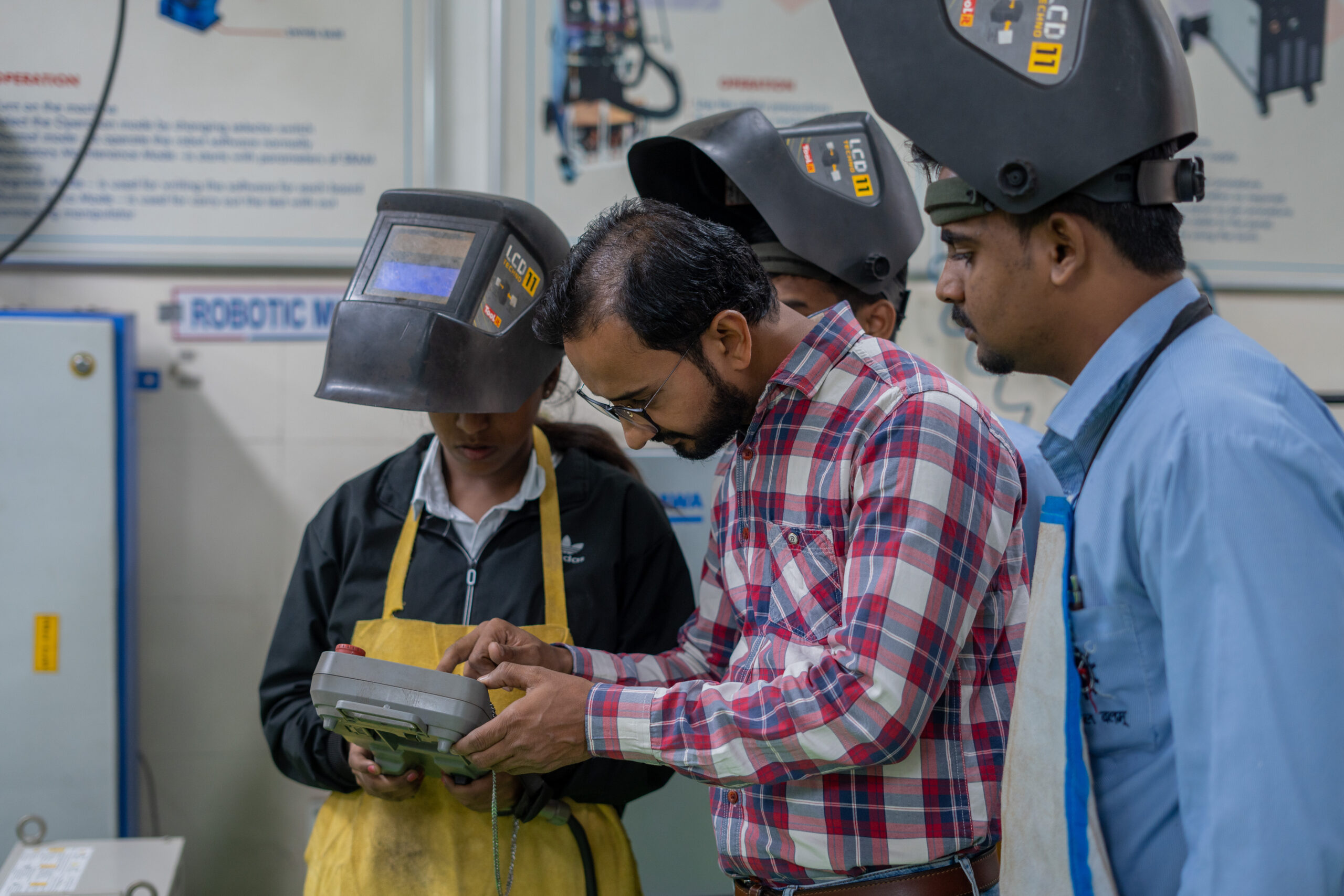
System change in ITIs
Our work has been further amplified through the Future Right Skills Network (FRSN), a policy-focused initiative incubated by Quest Alliance that brings together government, industry, academia, funders, and civil society. FRSN works to bridge the gap between policy and practice, helping government skilling policies translate into meaningful on-ground outcomes. The network drives system change through research in critical areas, data-driven advocacy, knowledge creation, and partner engagement. Its efforts are currently organized around four thematic priorities: Future Skills, Industry Engagement, Trainer Development, and Women in Work, all aimed at strengthening the ITI ecosystem.
Key initiatives this year included a Trainer Development Strategy Paper promoting a more holistic approach to trainer capacity, an industry perception study to strengthen partnerships and align ITIs with market needs, and the integration of AI literacy into the Employability Skills curriculum. FRSN also collaborated with FICCI to develop an ITI grading framework to assess institutional and learner readiness from an industry perspective. The Knowledge and Innovation Community Meet convened diverse stakeholders to reimagine ITI transformation, and the year concluded with the Future Skills Forum 2025, co-hosted with the Directorate General of Training, aligning leaders around a shared vision for future-ready skilling.
Building Futures with Young People
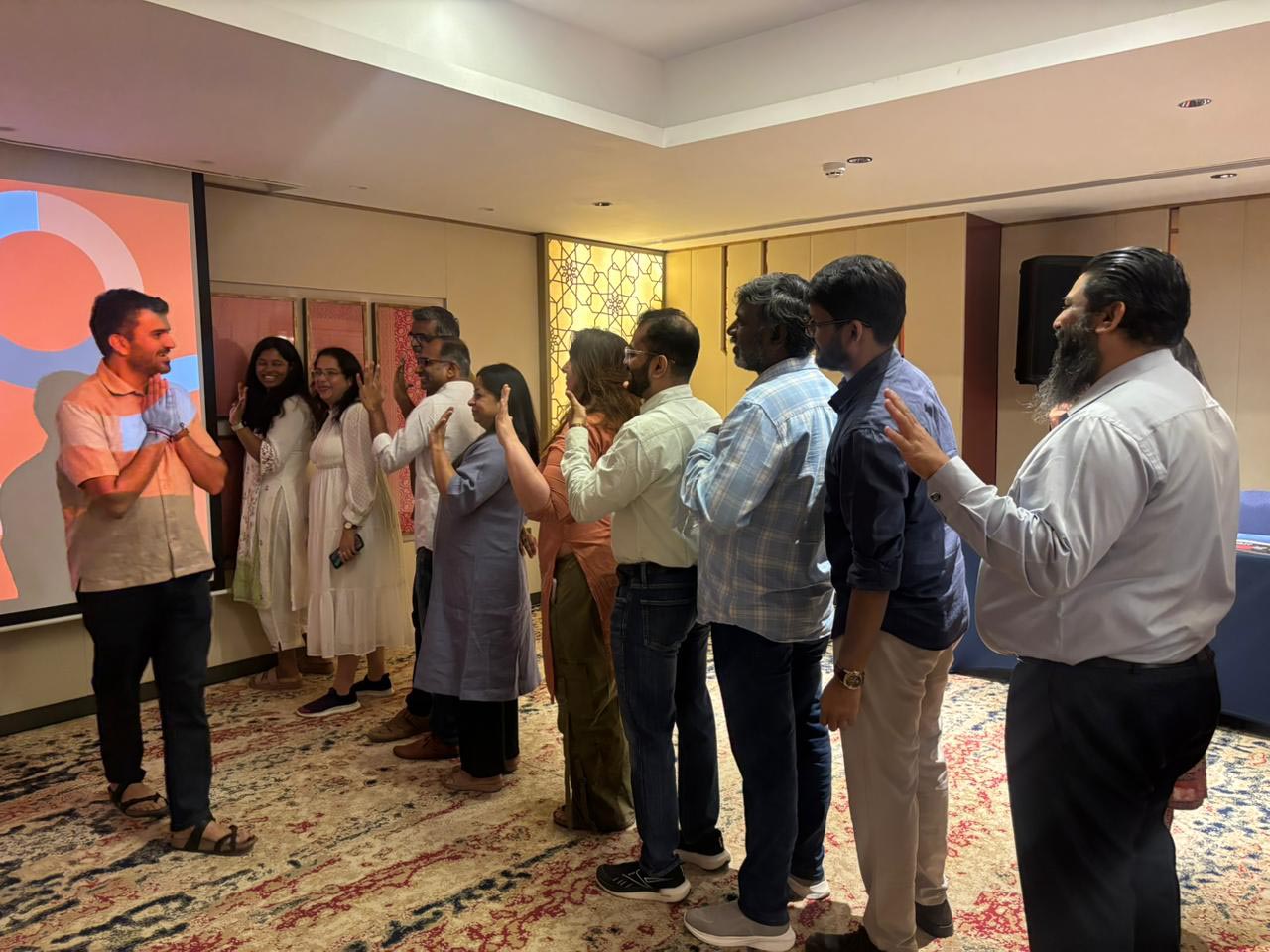
We laid the foundation for a bold new initiative, the Youth Futures Studio (YFS), a space for inquiry, imagination, and practice, where youth voices drive design. We began with research on the digital lives of young people in India, exploring how they engage with platforms, content, and communities online. We designed participatory workshops on AI futures, which surfaced both hopes and fears, but most importantly tangible visions of preferred futures.
We empowered young people with futures thinking so that they can imagine the futures they want to inhabit. Going forward, we will share them more widely so that educators, policymakers, and ecosystem partners can learn from, and integrate youth
perspectives into their own work. In doing so, YFS is not only shaping Quest Alliance’s approach but also contributing to a broader conversation on how India can build futures with young people at the centre.